![]() |
|||||||||||||||||||||||||||||||||||||||||||||||||||||||||||||||||||||||||||||||||||||||||||||||||||||||||||||
|
|
||||||||||||||||||||||||||||||||||||||||||||||||||||||||||||||||||||||||||||||||||||||||||||||||||||||||||||
|
Upcoming Special Programs | |||||||||||||||||||
|
SAVE THE DATE! C.G. Jung in the 21st Century Conference date: October 5, 2013 Speakers will include John Haule (Keynote) and Deirdre Bair. Further information will be available soon. | |||||||||||||||||||
|
Upcoming Advanced Seminars | |||||||||||||||||||
|
|
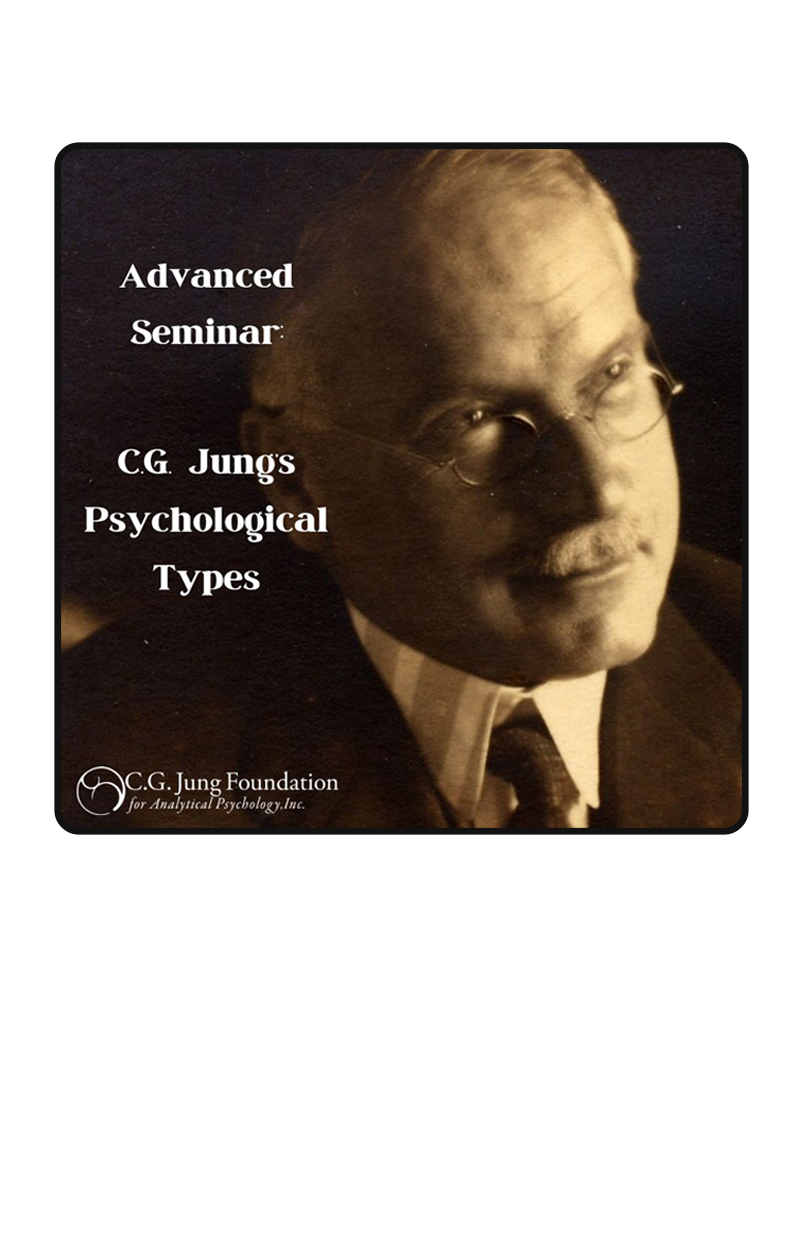
September 12 –December 19, 2013 (excluding November 28). 14 weeks. Instructor:Royce Froehlich, LCSW, MDiv Jung was a deeply religious man and believed that we are by nature homo religiosus. Fascinated by many of the world's sacred traditions, Jung found in them expressions of a natural tendency toward wholeness and psychic integration. Yet, in spite of this inherent drive, which he called "the individuation process," Jung saw a spiritual crisis in our time and addressed it through personal reflection and a lifetime's dedication to the study of the long history of what theologian Rudolph Otto called The Idea of the Holy. | ||||||||||||||||||
|
|
January 29 –May 7, 2013 (excluding April 16). 14 weeks. Instructor:Jane Selinske, EdD, LCSW, LP, MT-BC Jung considered the psyche and dreams as expressions of unconscious processes. According to Jung, difficulties arise in the interpretation of dreams and images because of their unconscious nature. However, Jung determined that dreams are often structured like dramas, and the theater motif and dramatic presentation of the unconscious story can assist in understanding a dream. The dramatic structure of the dream, like that of a Greek drama consisting of a setting, theme, characters, development, crisis and outcome, all contribute to grasping the unconscious language being spoken by the psyche. | ||||||||||||||||||
|
Upcoming Classes | |||||||||||||||||||
![]() | Indeterminate Wholeness: C.G. Jung and Eastern Thought—Finding "Silence" 5 consecutive Mondays, 6:30–8:10 pm
Instructor Royce Froehlich, LCSW, MDiv C.G. Jung listened to his own inner experiences as well as Eastern contemplative thought to develop a psychology of "wholeness." He drew from teachers and texts that also influenced the composer John Cage, who had learned from Jung a model for exploring psyche. Passages from Jung and Cage's writings will inform multimedia presentations that focus on finding value and pleasure in exploring the notion of "active stillness" and its role on our unique (and indeterminate) process of individuation. | ||||||||||||||||||
![]() |
5 consecutive Mondays, 7:00–8:40 pm
Instructor Jane Selinske, EdD, LCSW, LP, MT-BC Jung defined shadow as "the thing a person has no wish to be" (CW 16, para. 470), everything we do not know about ourselves, both dark and light. However, we get glimpses of these unknown shadow parts of ourselves when we project our shadow into the world or onto another. We can come to know and embrace our shadow through dreams, projections and paying attention to the opposites that we attract or reject. During this class, the group will learn techniques to discover and engage their shadow projections so they can come to terms with their shadow and not continue to be blind to this powerful archetype. | ||||||||||||||||||
![]() | Invisible Partners: Anima and Animus 5 consecutive Wednesdays, 6:00–7:40 pm
Instructor Maxson J. McDowell, PhD, LMSW, LP When a woman has a crush on a man, she is partly fascinated by her own unconscious masculine potential (animus). A man may likewise be fascinated by his own unconscious feminine potential (anima). This fascination may draw a couple into relationship, but the animus and anima tend to remain unconscious. As long as each is unconscious, each tends to be destructive. Consciousness leads to an inner relationship (with the animus or anima) which is the source of creativity. That inner relationship also makes it easier to have relationships in the outer world. We will read five fairy tales about the animus (anima), and analyze them together. You can expect to gain some new consciousness of your own relationship to that part of the psyche which has characteristics of the opposite gender. | ||||||||||||||||||
![]() | Exploring Transformative Images, Part II 5 consecutive Wednesdays, 6:30–8:10 pm
Instructor Sylvester Wojtkowski, PhD We will continue our study of transformative poetic images from another major work of Rilke's - Sonnets to Orpheus. The cycle of fifty five sonnets, written in February, 1922, are Rilke's memorial to his friend's daughter, a dancer who died young. In The Sonnets, Rilke beautifully condensed enormous amounts of psychic material around the mythologem of Orphic descent. In the class, we will interpret and harken to the sounds and symbols of the transformative mythopoeic process expressing itself through poetic speech. We will trace the vicissitudes of the image as it transforms itself, revealing ever-deeper dimensions of the soul. | ||||||||||||||||||
![]() | Beyond Words: Journaling in Images 5 consecutive Thursdays, 6:30–8:10 pm
Instructor Barbara Barry Many individuals who strive for a greater self-knowledge keep journals, which are most often recorded in written language. However, Jung was particularly attuned to the place images play in the life of the psyche, telling us that "the psyche consists essentially of images...full of meaning and purpose." This class is instructive and experiential. Participants will learn techniques for eliciting images and how to give them visual expression using a simple painting approach in journal form. No art experience or skill is necessary, only the desire to explore how a journal beyond words can enrich one's life. | ||||||||||||||||||
|
Upcoming Tuesday Lunch Forums | |||||||||||||||||||
![]() | Zen and C.G. Jung: Clear Seeing, Clear Writing Tuesday, May 7, 2013, 12:30–1:30 pm Speaker: Susan Tiberghien In this lecture, we will look at Zen as a way to a more creative life. There will be a brief introduction to Zen, with attention to the aspects of Zen that Jung saw as lending themselves to individuation. We will then look at the Zen practice of direct pointing, to help us see more clearly and the practice of mindfulness, to help us write more clearly. We will listen to short passages from D.T. Suzuki, Thomas Merton, Thich Nhat Hahn, and C.G. Jung, as well as from contemporary writers Annie Dillard and Eduardo Galleano. | ||||||||||||||||||
|
Upcoming Workshops | |||||||||||||||||||
![]() | Seeing and Being Seen in Intimate Relationships Saturday, May 4, 2013, 10:00 a.m. – 4:00 p.m. a full day workshop led by Lisa Marchiano, LCSW, NCPsyA Being authentically present to one another in intimate relationships is essential to experiencing love, and yet it can be extraordinarily difficult. Our own projections onto each other can either hinder our efforts to know and be known, or draw us into greater intimacy--if we can allow them to be withdrawn in their own time. | ||||||||||||||||||
|
Upcoming Summer Studies | |||||||||||||||||||
![]() |
July 8– 12, 2013 Our first program delves into bullying, scapegoating, and victimization, one of society’s most troubling and pervasive problems. From bullying and victimization in the workplace and in personal relationships, to schoolyard bullying and cyber-bullying, our faculty will explore both the psychological underpinnings of the victim, the bully and the hero and some psychologically-informed approaches to dealing with the various aspects of this problem that plagues our culture. This program will be useful both to the general public and to school counselors, teachers, parents and business professionals. | ||||||||||||||||||
![]() |
July 15 – 19, 2013 Dreaming the Dream Forward will be an experiential week, in which participants will be using a wide array of creative approaches to understand and consciously expand upon their dreams. Please come prepared to work with your dreams throughout the week! | ||||||||||||||||||
|
Upcoming Trip to India | |||||||||||||||||||
![]() | India: Journey to the Land of Dreams and Myths January 11 –23, 2013 Tour of India with Guest Lecturer Ashok Bedi, MD The C.G. Jung Foundation of New York is proud to sponsor the eighth educational tour of India in January 2013. This trip is an opportunity to see India through the lens of analytical psychology. It will allow tour members to perceive the archetypal depths of life and psyche that Indians knew and expressed in their myth and art, and to understand how the experience and expression of these archetypal dimensions greatly influenced culture and civilization. We are honored to have once again as our guest lecturer Dr. Ashok Bedi. | ||||||||||||||||||
|
Quadrant | |||||||||||||||||||
![]() |
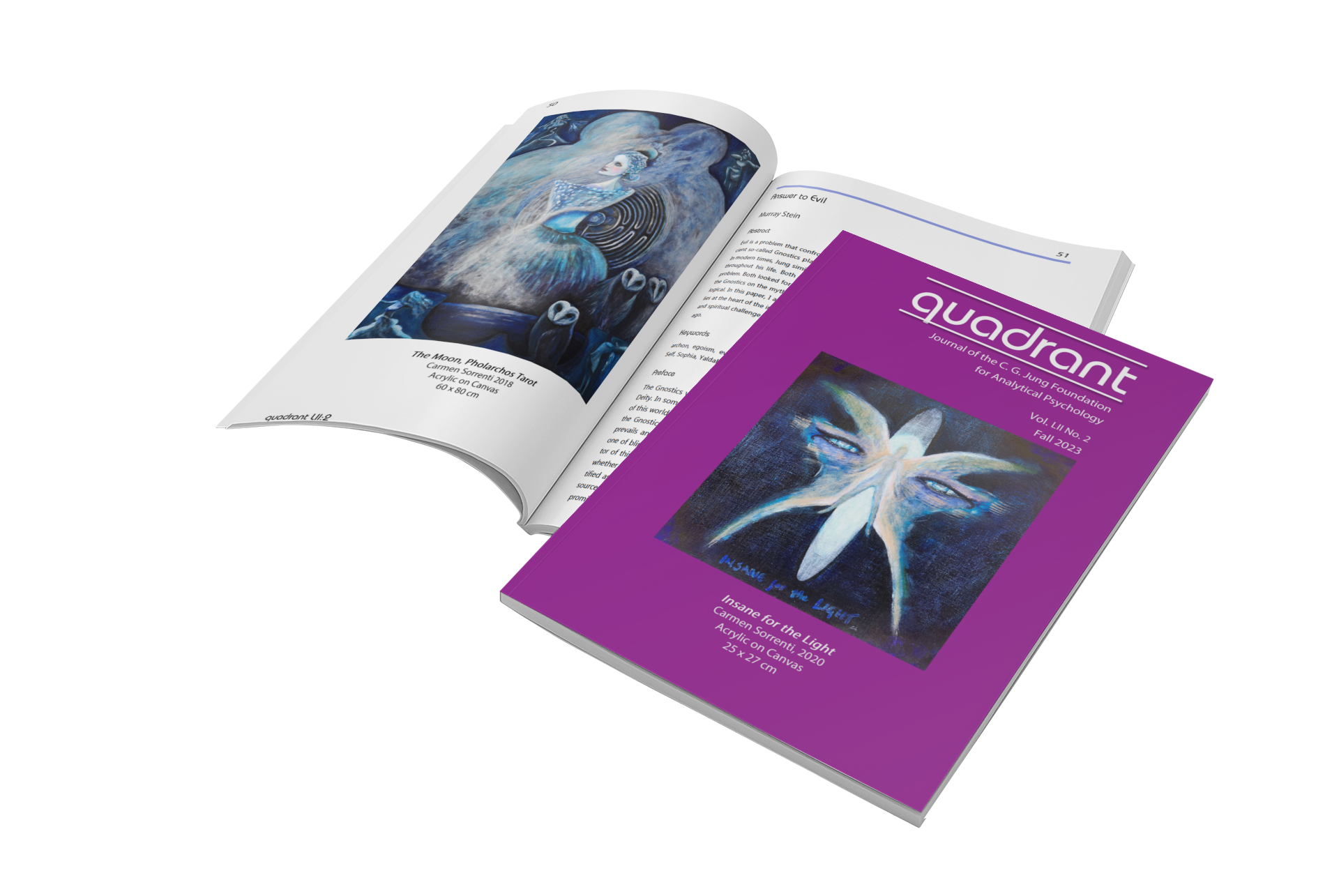
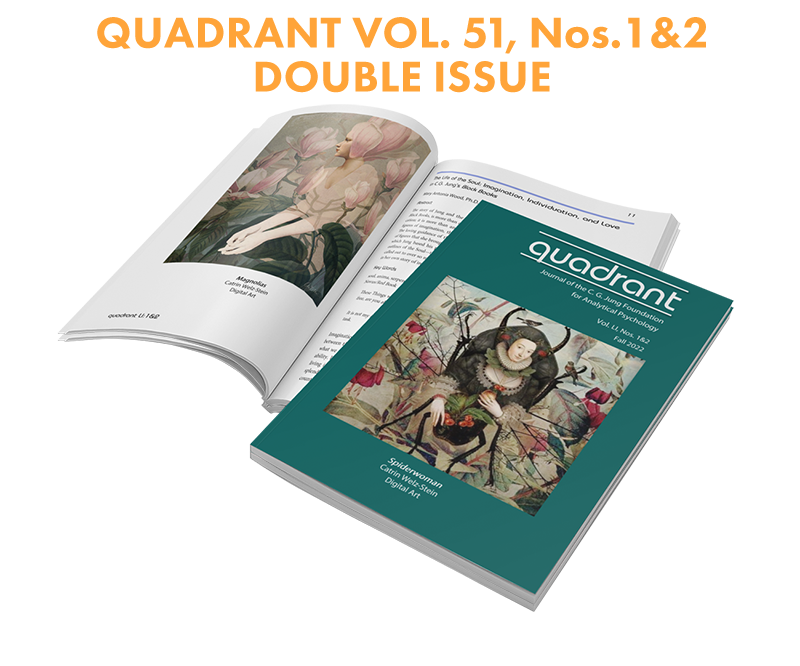
New Issue of Quadrant Published Vol XLIII:1 Winter 2013 Articles include: From the Editor — Kathryn Madden The Sweetness of Dreams: Freud, Jung, and Wild Strawberries — Heidi Sylvia Volf Dragons and Dreams — Evija Volfa Vestergaard Freeing the Spell-Bound Prince: The Journey Toward Integration of Heart and Mind — Brigitte Goetze. "The Creative Impulse as a Living Thing:" An Imaginal Dialogue with the Voice that Moves Me — Deborah Quibell Book Reviews — Beth Darlington, Review Editor | ||||||||||||||||||
28 East 39th Street, New York, NY 10016 | Tel: (212) 697-6430 | info@cgjungny.org
Home | About | Calendar | Workshops | Classes | Forums | Lectures | Summer | Online | Seminars | Quadrant | Back Issues | Article Index | Author Index | Subscribe | Advertise | Submissions | Events | Links | Book Service | Membership | Contribute | Contact